%2Ffit-in%2F250x250%2Fguide_websites%2F12745%2Fimages%2F1706115594441326243738_942391100274567_5629187259800787063_n.png&w=1920&q=100)
/users/eb77a244-57aa-4d42-952b-bac1f8b4cb0d/ratecard/477622096_929031656069135_6281856750846528562_n.jpg)
%2F300x300%2Fusers%2Feb77a244-57aa-4d42-952b-bac1f8b4cb0d%2Fratecard%2F477622096_929031656069135_6281856750846528562_n.jpg&w=256&q=75)
%2F300x300%2Fusers%2Feb77a244-57aa-4d42-952b-bac1f8b4cb0d%2Fimages%2Ffishing-adventure-la-2364.png&w=256&q=75)
%2F300x300%2Fusers%2Feb77a244-57aa-4d42-952b-bac1f8b4cb0d%2Fimages%2Ffishing-adventure-st-bernard-2441.png&w=256&q=75)
%2F300x300%2Fusers%2Feb77a244-57aa-4d42-952b-bac1f8b4cb0d%2Fimages%2Ffishing-adventure-st-bernard-2419.png&w=256&q=75)
%2F300x300%2Fusers%2Feb77a244-57aa-4d42-952b-bac1f8b4cb0d%2Fimages%2Fbluefish-bounty-st-bernard-2390.png&w=256&q=75)
%2F300x300%2Fusers%2Feb77a244-57aa-4d42-952b-bac1f8b4cb0d%2Fimages%2Foutdoor-adventure-st-bernard-2234.png&w=256&q=75)
%2F300x300%2Fusers%2Feb77a244-57aa-4d42-952b-bac1f8b4cb0d%2Fimages%2Ffishing-duo-la-adventure-2880.png&w=256&q=75)
%2F300x300%2Fusers%2Feb77a244-57aa-4d42-952b-bac1f8b4cb0d%2Fimages%2Ffishing-fun-in-la-2425.png&w=256&q=75)
%2F300x300%2Fusers%2Feb77a244-57aa-4d42-952b-bac1f8b4cb0d%2Fimages%2Fsuccessful-fishing-trip-la-2369.png&w=256&q=75)
%2F300x300%2Fusers%2Feb77a244-57aa-4d42-952b-bac1f8b4cb0d%2Fimages%2Ffishing-adventure-la-2236.png&w=256&q=75)
%2F300x300%2Fusers%2Feb77a244-57aa-4d42-952b-bac1f8b4cb0d%2Fimages%2Fsuccessful-fishing-trip-st-bernard-2302.png&w=256&q=75)
St. Bernard's Finest Bottom Fishing Adventure
 St Bernard
What you will be catching:
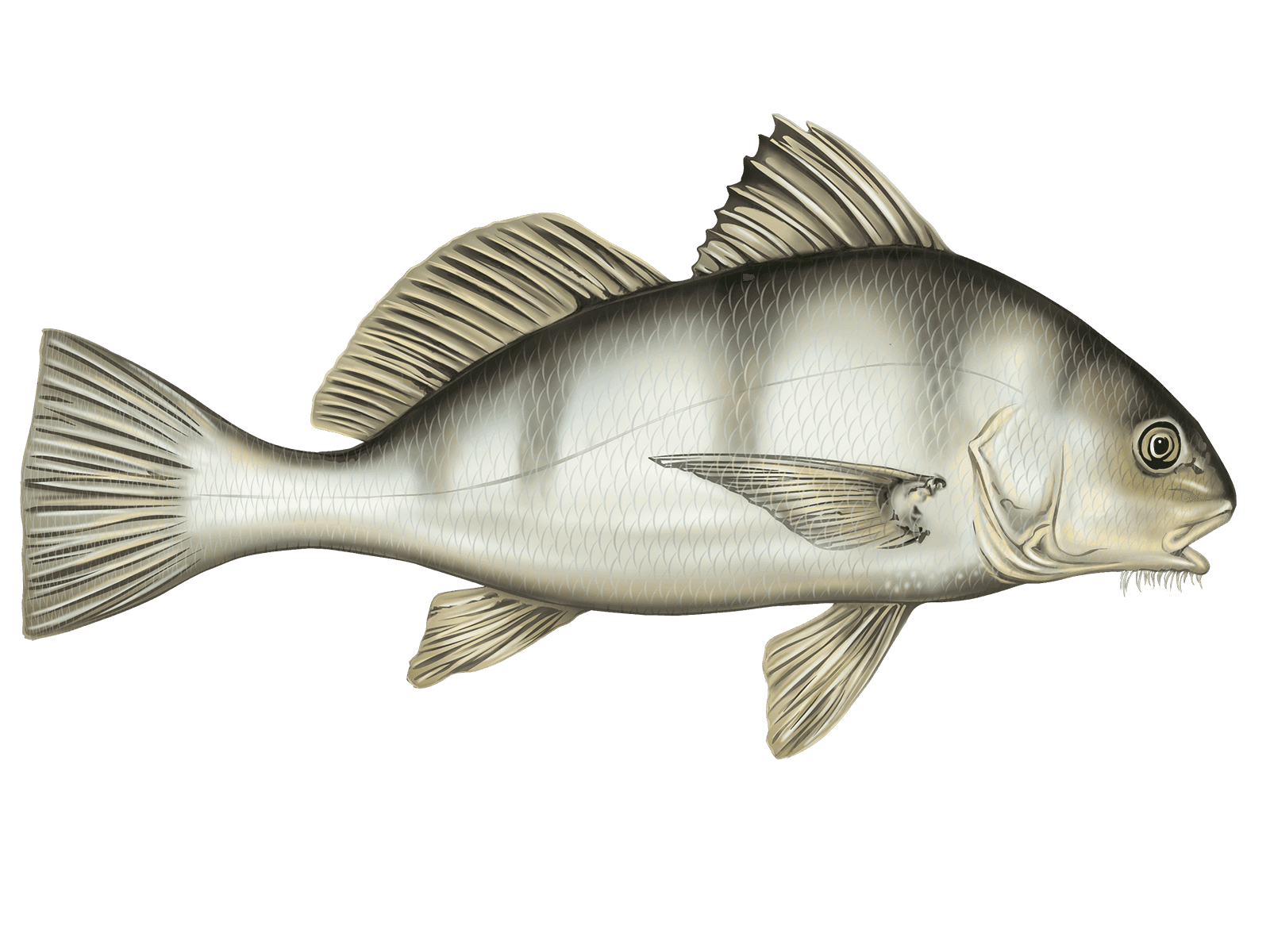
 Black Drum
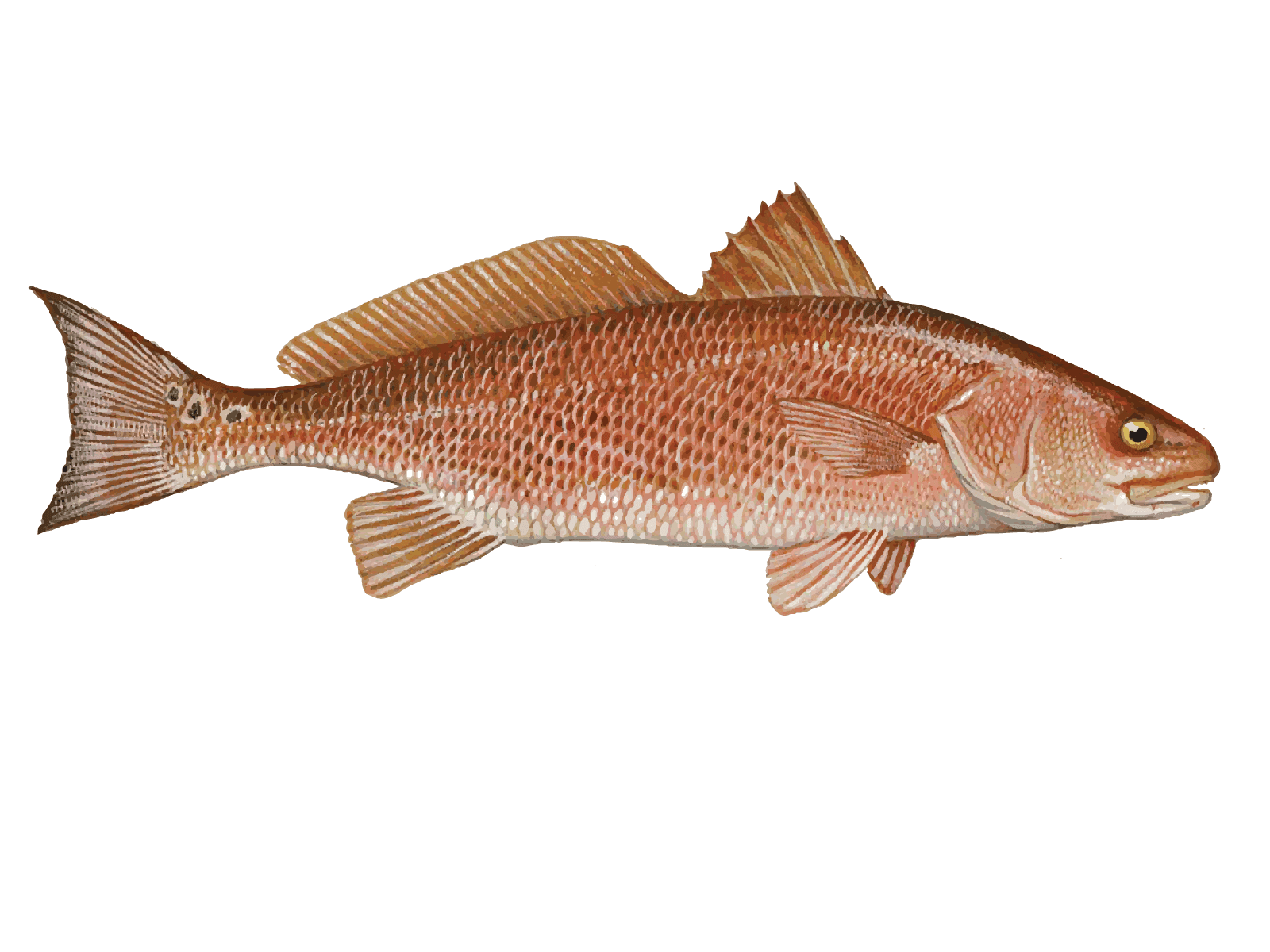
 Redfish
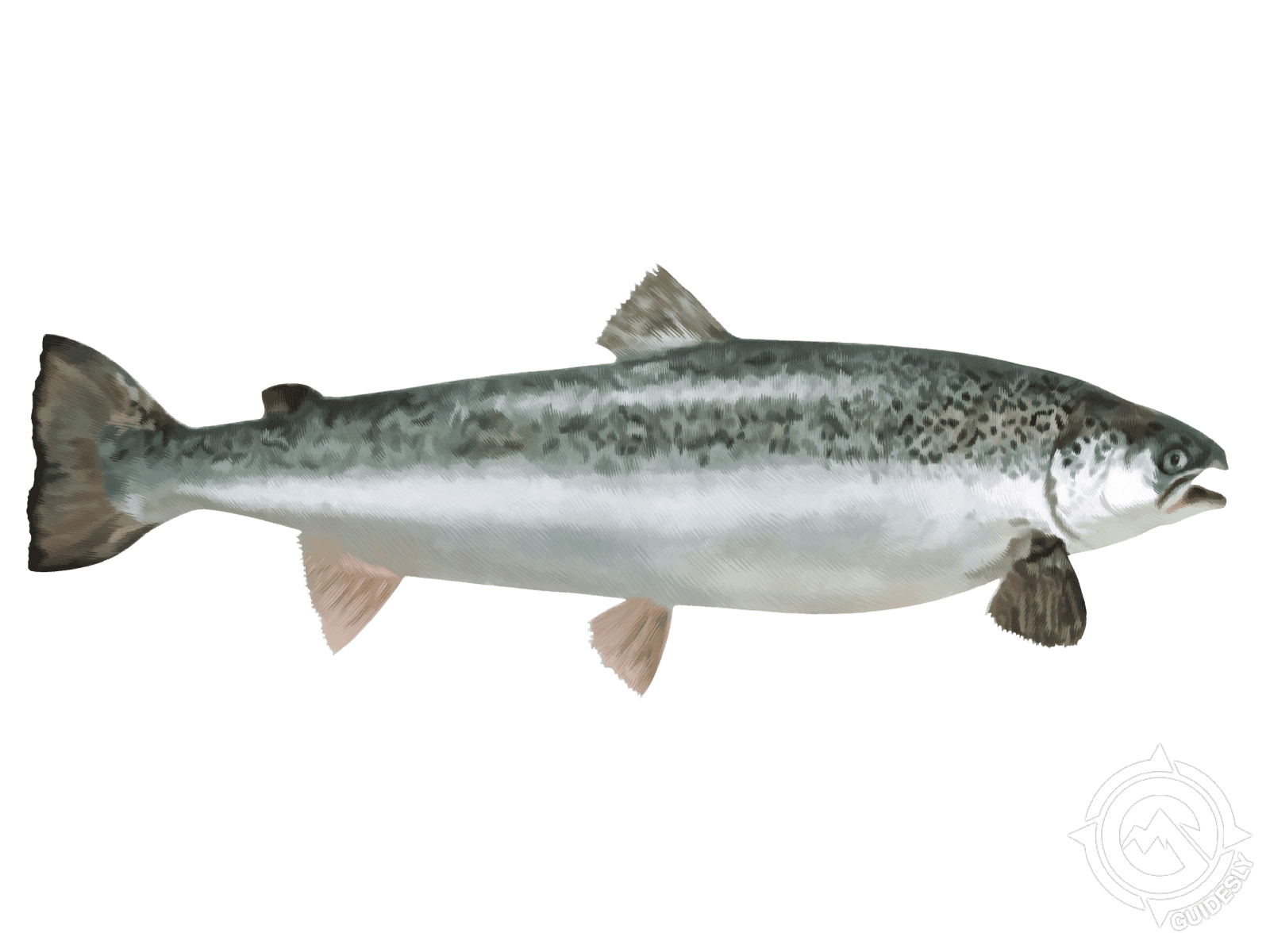
 Sea Trout
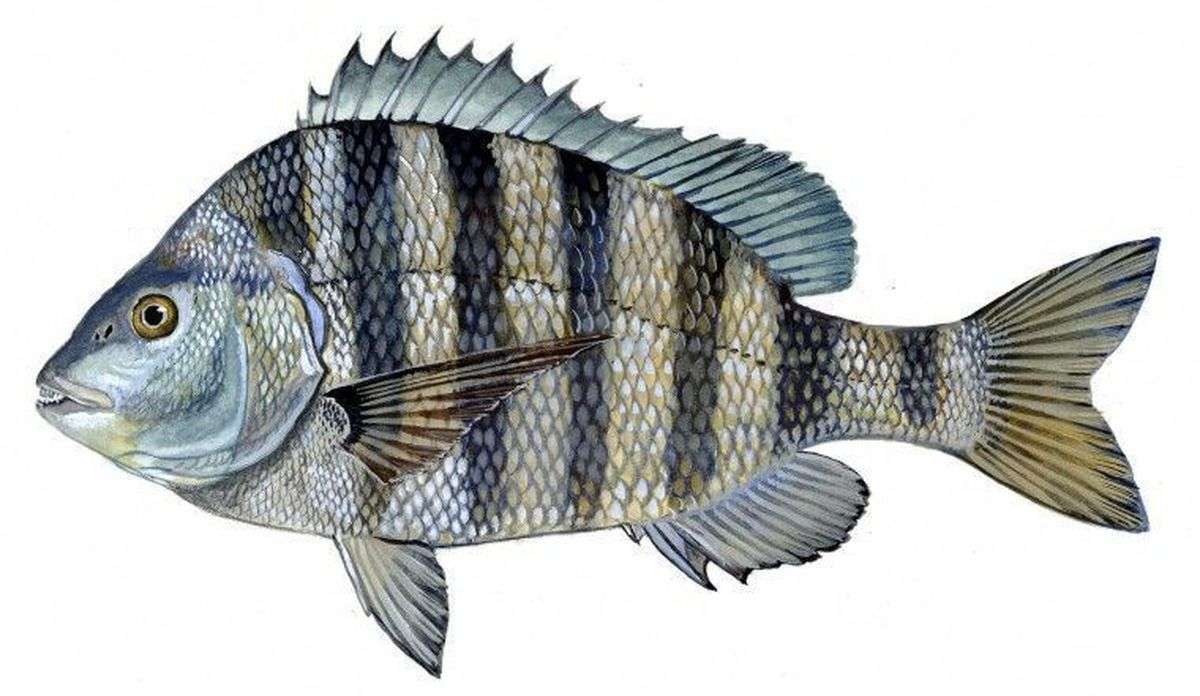
 Sheepshead
- 8-hour inshore fishing trip targeting redfish, trout, drum, and sheepshead
- Experienced Captain James Hanson provides local expertise in calm St. Bernard waters
- Accommodates up to 4 anglers with consistent action and authentic Louisiana experience
Trip Pricing and Availabilities:
Full Day Bottom Fishing: St. Bernard's Hidden Gems
Ready for a no-frills, fish-filled day on the water? Captain James Hanson's got you covered with this full-day bottom fishing trip in St. Bernard, Louisiana. We're talking 8 solid hours of dropping lines, setting hooks, and reeling in some of the Gulf's tastiest inshore species. Whether you're a seasoned angler or just getting your feet wet, this trip's all about good times, great catches, and the kind of local know-how that'll have you fishing like a pro in no time.
Trip Overview
Picture this: You're cruising through the marshes of St. Bernard, rod in hand, with nothing but calm waters and endless fishing opportunities ahead. That's what you're in for with Backwoods Bay Fishing Charters. Captain James knows these waters like the back of his hand, and he's all about putting you on the fish. We're targeting the bottom-dwellers here – redfish, black drum, speckled trout, and sheepshead. These guys might not be the glamour fish of deep-sea trips, but trust me, they'll give you a run for your money and taste mighty fine on the dinner table. With room for up to four anglers, it's the perfect setup for a day out with friends or family. No fancy frills, just straight-up fishing the way it's meant to be done.
What to Expect on the Water
Bottom fishing in St. Bernard is all about patience, technique, and knowing where the fish are hiding. We'll be using a mix of live bait and artificial lures, depending on what's biting. Captain James will show you the ropes – how to rig your line, where to drop it, and how to feel for that telltale nibble. We're talking about fishing near structure, over oyster beds, and along the edges of channels where these bottom-feeders love to hang out. You'll be using medium to heavy tackle, and don't be surprised if you find yourself in a tug-of-war with a big bull red or a stubborn black drum. It's not about fancy gear or complicated techniques – it's about reading the water, feeling the bite, and setting the hook just right.
Why Anglers Keep Coming Back
There's something special about fishing the inshore waters of St. Bernard. Maybe it's the way the marsh grasses wave in the breeze, or how the water changes color as you move from bay to bayou. But ask any angler who's fished these parts, and they'll tell you – it's the consistent action that keeps 'em coming back. With Captain James at the helm, you're not just going fishing; you're getting a masterclass in local angling. He's got that sixth sense for where the fish are biting, and he's always happy to share a tip or two. Plus, there's nothing quite like the satisfaction of pulling up a cooler full of fish at the end of the day, knowing you've earned every single one of them.
Species You'll Want to Hook
Let's break down the heavy hitters you'll be targeting on this trip:
Redfish: These copper-colored bruisers are the crown jewels of inshore fishing. They're known for their powerful runs and their distinctive black spot near the tail. Redfish can range from "rat reds" of a few pounds to bull reds pushing 40 pounds or more. They love to hang around structure and will readily take both live bait and artificial lures. The best part? They're excellent eating, whether you're blackening them, grilling them, or throwing them in a courtbouillon.
Black Drum: Don't let their ugly mugs fool you – black drum are some of the hardest-fighting fish in the inshore waters. These cousins of the redfish can grow to enormous sizes, with some old-timers tipping the scales at over 100 pounds. We'll be targeting the more manageable (and better-tasting) 5-30 pounders. They're bottom feeders with a sweet tooth for crabs and shrimp, so we'll be using natural baits to tempt them.
Speckled Trout: Also known as spotted seatrout, these guys are the bread and butter of inshore fishing. They're aggressive feeders and will hit everything from live shrimp to topwater lures. Specks are known for their delicate, white flesh that's perfect for frying or broiling. During the cooler months, we might find some big gator trout lurking in deeper holes.
Sheepshead: With their distinctive black and white stripes and chompers that look like they belong in a dentist's office, sheepshead are one of the quirkier fish we'll be after. They're notorious bait stealers, so hooking them requires a bit of finesse. But once you get the hang of it, you'll be addicted to the challenge. And let me tell you, they're some of the best-eating fish in these waters – sweet, flaky, and perfect for the grill.
Time to Book Your Spot
So there you have it, folks – a full day of bottom fishing that'll have you grinning from ear to ear and maybe even nursing a sore arm from all the action. This isn't about fancy boats or high-tech gear; it's about getting out there, wetting a line, and experiencing some of the best inshore fishing Louisiana has to offer. Captain James and the crew at Backwoods Bay Fishing Charters are ready to show you what St. Bernard's waters have in store. Whether you're looking to fill the freezer, learn some new techniques, or just enjoy a day on the water with good company, this trip's got you covered. Don't let this opportunity slip away like a big one off the hook – book your spot now and get ready for a day of fishing you won't soon forget. The fish are biting, and the boat's ready – are you?
Learn more about the species
Black Drum
Black drum are the big cousins of redfish, often weighing 5-30 pounds but sometimes hitting 90. You'll find them in brackish waters and estuaries, hanging around oyster beds and muddy flats. They're bottom-feeders with powerful jaws, crushing shellfish and crabs. Spring's the prime time to target them when they school up to spawn. These fish put up a solid fight and make good eating when smaller (under 15 pounds). To catch 'em, use fresh crab, clams, or slow-moving jigs right on the bottom. Listen for their distinctive croaking sound – it's how they communicate. One local trick: scrape some barnacles off pilings to chum them in. Just be ready to set the hook hard – their tough mouths can make for tricky hooksets.
Redfish
Redfish, or red drum, are one of our most popular inshore targets. You'll spot 'em by that black dot near the tail. They love shallow water – sometimes so shallow their backs stick out. Look for 'em around oyster reefs, grass flats, and mud bottoms in 1-4 feet of water. Most reds we catch are 20-30 inches, but they can grow over 40 inches and 50 pounds. These fish put up a great fight and taste fantastic. They'll hit just about anything when they're feeding – topwater lures, jigs, or live bait all work well. One local tip: on calm days, look for their tails sticking up as they root for crabs in the shallows. Cast past them and drag your lure into their feeding zone. Just be ready for an explosive strike when they spot it.
Sea Trout
Around here, we call 'em speckled trout. These silver beauties with dark spots usually run 14-24 inches and 1-5 pounds. You'll find 'em in grass flats and shallow waters, especially at night. They love to hang in estuaries year-round but might bunch up in deeper channels come winter. Specks are popular 'cause they're good fighters and even better eating – their meat is tender and mild. To catch 'em, try artificial lures like jerk baits, topwater plugs, or soft plastics that mimic shrimp. They're suckers for live bait too. One local trick: troll slowly along grass edges if you're having trouble locating them. Just remember, in hot weather they'll move to cooler, deeper spots. Best part? You can usually catch a bunch once you find 'em.
Sheepshead
Sheepshead are the convicts of the sea – their gray and black stripes give 'em away. You'll find these oddball fish around any structure with barnacles – docks, bridges, reefs. They usually run 1-8 pounds, but can hit 20 if you're lucky. Spring's the hot time when they school up to spawn. Sheepshead are famous for their human-like teeth, which they use to crunch barnacles and crabs. They're notorious bait stealers, so you gotta be quick on the hookset. Use light tackle and drop your bait right next to pilings. Fresh fiddler crabs or shrimp are top baits. Here's a local tip: if it's legal, scrape some barnacles off the pilings to create a chum slick. The fight's decent, but the real prize is their sweet, white meat – just be ready for a challenge cleaning 'em.
About the Backwoods Bay Fishing Charters
%2F%2Fusers%2Feb77a244-57aa-4d42-952b-bac1f8b4cb0d%2Fvehicle_picture%2F5dbd647117832001ccb274ae365c95f6.jpeg&w=1920&q=75)
Vehicle Guest Capacity: 4
Manufacturer Name: Suzuki 4 stroke
Maximum Cruising Speed: 17
Number of Engines: 1
Horsepower per Engine: 250